
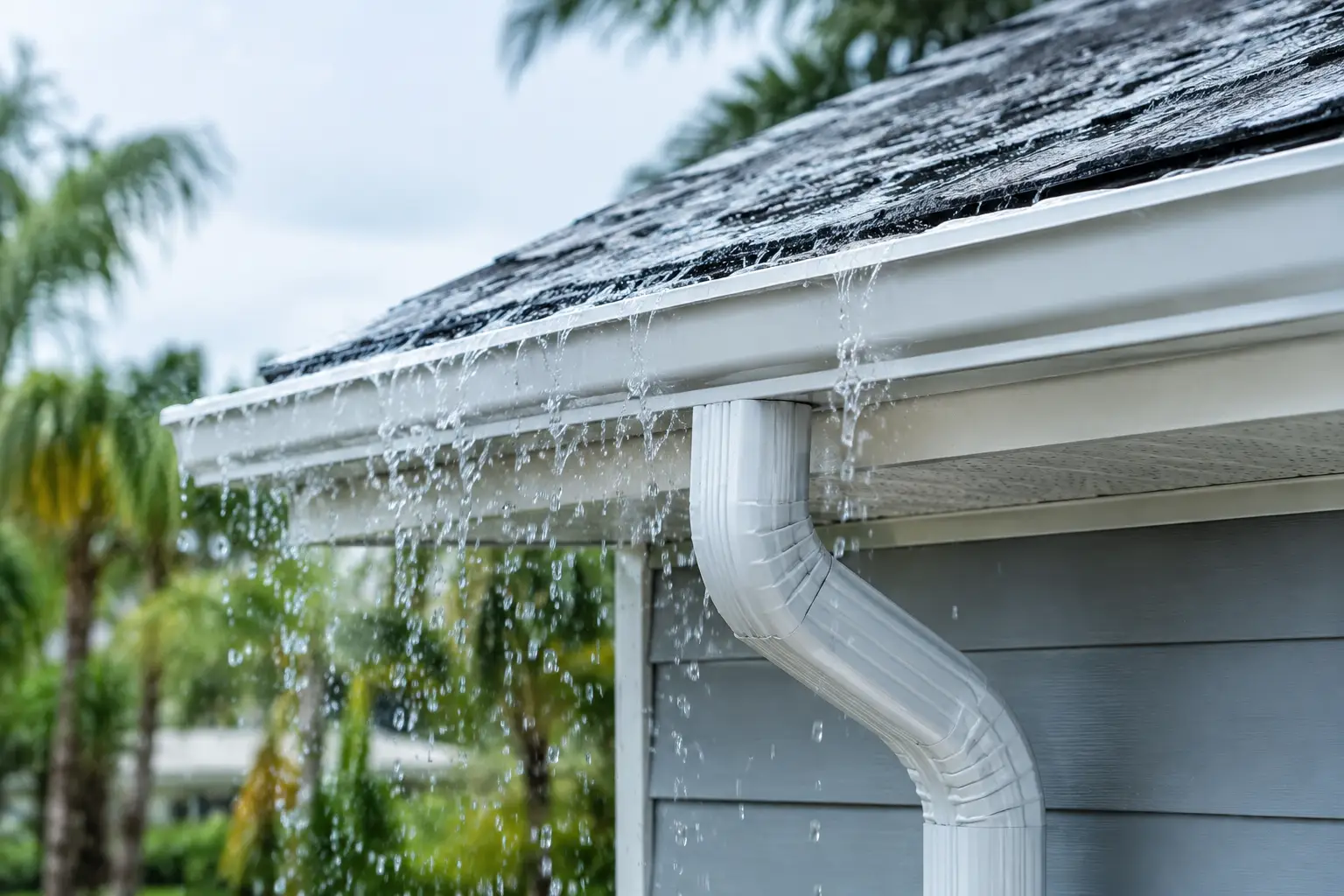
A Central Florida downpour can expose a weak gutter system in minutes. When water spills over the edge, runs behind the fascia, or pools near the foundation, the issue is not always the gutter size or slope. The Florida gutter materials on your home also determine how well the system holds up to heat, humidity, wind, and repeated heavy rain.
For most Orlando-area homes, the right choice comes down to durability, fit, maintenance needs, and budget. A material that performs well in a mild climate may not be the best long-term option for a home that faces intense sun, afternoon storms, and seasonal debris.
What Florida Weather Demands From Gutters
Florida gutters work hard throughout the year. Summer rain can arrive fast and fall heavily, which puts pressure on every seam, hanger, outlet, and downspout. High humidity can speed up corrosion on unsuitable metals, while strong sun can fade or weaken lower-grade materials over time.
Wind is another factor. Storms can pull loose gutters away from the fascia board, especially when sections are clogged with wet leaves and standing water. A quality material matters, but installation matters just as much. Gutters need the correct pitch, secure hangers, properly sized downspouts, and drainage that directs water away from the home.
That is why the lowest upfront price is not always the lowest cost over time. A gutter system that needs frequent patching, repainting, or replacement can become more expensive than a durable, custom-fit installation.
Comparing Florida Gutter Materials
Aluminum: The Practical Choice for Most Homes
Aluminum is the most common gutter material for residential properties in Central Florida, and for good reason. It is lightweight, rust-resistant, available in many colors, and well suited for seamless K-gutter systems. Because it does not rust like untreated steel, aluminum handles Florida’s moisture and frequent rain well.
Seamless aluminum gutters are formed on-site to match the length of each roofline. Fewer joints mean fewer places for leaks to develop. This clean, custom look is especially useful on homes with long runs of gutter, where several pre-cut sections would otherwise need to be joined together.
Aluminum does have limits. Thin, low-grade aluminum can dent from ladders, branches, or impact during yard work. A properly installed, heavier-gauge system is a better fit for homeowners who want dependable performance without the higher cost of premium metals. For most single-family homes and rental properties, it offers the best balance of value, appearance, and weather resistance.
Galvanized Steel: Strong but Higher Maintenance
Galvanized steel gutters are strong and can resist dents better than aluminum. That strength may appeal to homeowners with large trees or areas where branches regularly fall near the roofline. However, steel has a major trade-off in Florida: once its protective coating is scratched or wears down, rust can become a concern.
Florida humidity, standing debris, and persistent moisture can accelerate corrosion at seams, fasteners, and damaged areas. Steel gutters also weigh more, which makes correct fastening especially important. They can be a workable option in certain situations, but they generally require more attention than aluminum to prevent rust-related repairs.
Copper: Long-Lasting, but Not Necessary for Every Home
Copper gutters are known for their long service life and distinctive appearance. Over time, copper develops a natural patina that some homeowners prefer, particularly on historic, custom, or high-end properties. It will not rust in the same way steel does, and a well-installed copper system can last for decades.
The cost is the main consideration. Copper materials and installation are significantly more expensive than aluminum, and repairs should be handled by someone familiar with the material. Copper is a good choice when architectural style and long-term appearance are top priorities. For many Orlando homes, though, seamless aluminum provides the water control needed at a more practical price point.
Vinyl: Low Initial Cost, Limited Durability
Vinyl gutters are often chosen because they are inexpensive and do not rust. They are also easy to find in pre-cut sections. The downside is that Florida heat and sunlight can make vinyl more vulnerable to warping, fading, cracking, or becoming brittle over time.
Pre-cut vinyl systems also have more connectors and seams than seamless gutters. Every connection is another potential point for leaks, especially after repeated expansion, contraction, and heavy rain. Vinyl may make sense for a short-term repair or a tight budget, but it is usually not the strongest long-term choice for homes exposed to Central Florida weather.
Why Seamless Florida Gutter Materials Make a Difference
Material selection is only one part of a reliable system. A seamless gutter installation reduces the number of joints along the roofline, which helps reduce leaks and gives the home a cleaner finished appearance. Corners and downspout outlets still require connections, but long straight runs can be formed as one continuous piece.
Custom measurement also helps the gutter fit the home instead of forcing the home to fit standard-length sections. This is important around roof transitions, screened patios, garages, and areas where water concentrates during storms. A properly fitted seamless aluminum system can move water efficiently while avoiding the cluttered look of multiple joined sections.
K-style gutters are a common choice for local homes because their shape holds more water than older half-round designs of a similar width. When paired with correctly placed downspouts, they are well suited for managing the quick, heavy rainfall Orlando properties often receive.
Match the Material to Your Property
The best gutter material depends on more than curb appeal. Consider the roof size, roof pitch, tree coverage, drainage layout, and how long you plan to own the property. A small home with open rooflines may have different needs than a large rental property beneath mature oak trees.
If your home has frequent leaf buildup, adding leaf guards can help reduce clogs and overflow. Guards do not eliminate maintenance, but they can reduce the amount of debris entering the gutter and make cleanings more manageable. They are especially helpful where roof valleys direct leaves and water into one section of the system.
Downspout placement deserves equal attention. Even the best gutter material cannot protect the foundation if water is discharged too close to the house. Extensions, adjustments, and proper grading help carry runoff away from the building instead of allowing it to collect near the slab or landscaping.
When Repair Is Enough and When Replacement Makes More Sense
A small leak at a seam, a loose hanger, or a downspout that has shifted out of place can often be repaired. Routine cleaning may also solve overflow caused by leaves, roof grit, or a blocked outlet. Addressing these problems early can prevent fascia damage and keep a good system working longer.
Replacement becomes the better option when gutters are repeatedly leaking, sagging across long sections, pulling away from rotted fascia, or showing widespread rust and damage. If repairs keep adding up, a new seamless system may provide a more dependable solution than patching multiple problem areas.
A professional inspection can identify whether the issue is the material itself, poor drainage, incorrect slope, failing fasteners, or a combination of these conditions. Clear recommendations should focus on what the home needs, not on selling more than necessary.
Keep Any Gutter Material Working Longer
Even durable gutters need basic maintenance. Clean out leaves, seed pods, and roof debris before they form a blockage. Check for overflowing water during a hard rain, and look for staining on the siding, damp spots near the foundation, or water marks behind the gutter line.
It is also wise to inspect after major storms. A branch impact, loose downspout, or bent section can affect drainage before the problem becomes obvious from the ground. Regular cleaning and prompt repairs protect both the gutter system and the parts of the home it is meant to protect.
For Orlando homeowners, seamless aluminum remains the practical standard because it resists rust, fits cleanly, and performs well through heavy rain and heat. The right system is the one that is properly sized, securely installed, and maintained before small drainage issues turn into expensive water damage.
Leave a Reply