
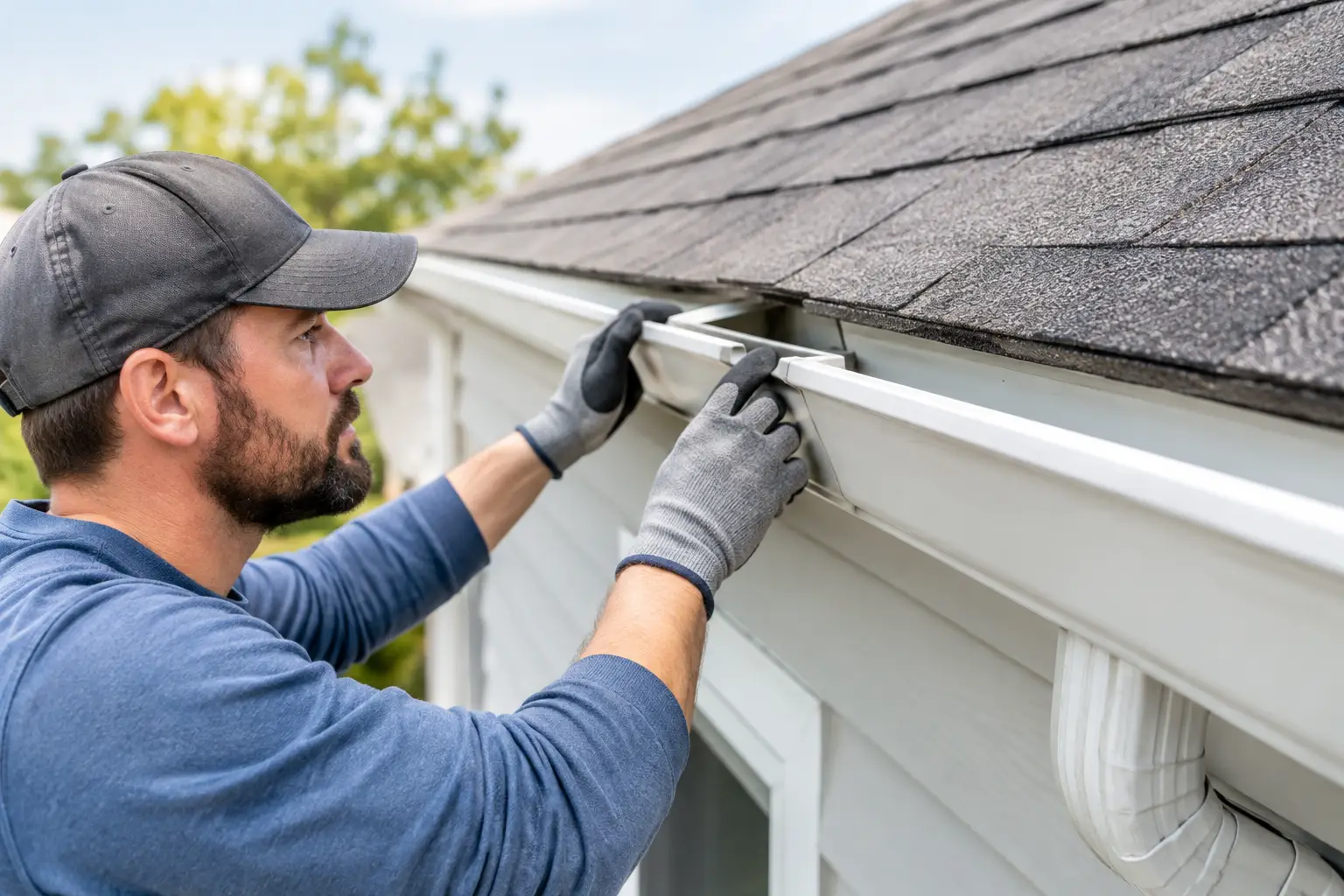
A gutter that pulls away from the roofline can turn a hard Orlando rain into a much bigger problem. Once the gutter separates, water may spill behind it, soak fascia boards, damage soffits, and collect near the foundation instead of moving safely away from the home. Knowing how to prevent gutter separation starts with understanding why it happens and addressing small warning signs before a storm exposes them.
Gutter separation is usually not a one-day failure. It develops when loose fasteners, standing water, clogged downspouts, deteriorating wood, or an improperly supported gutter system put steady stress on the edge of the roof. A few practical maintenance habits and timely repairs can keep the system secure and working as intended.
Why Gutters Separate From the House
Gutters are designed to carry a significant amount of water, especially during Florida’s frequent heavy downpours. When they are securely fastened to solid fascia boards and properly pitched toward the downspouts, they can manage that flow without pulling away. Problems begin when one part of that system is weak.
Clogs are a common cause. Leaves, roof grit, pine needles, and small branches can block the gutter channel or downspout. Water then backs up and adds weight to the gutter. That extra weight can loosen spikes, screws, hangers, or brackets over time. Even a gutter that looks only slightly sagged may be carrying water in the wrong direction.
Fascia damage is another frequent issue. If water has repeatedly overflowed behind the gutter, the wood behind it can soften, rot, or lose its ability to hold fasteners. Tightening a screw into damaged wood may provide a temporary improvement, but it will not create a lasting repair. The condition of the fascia has to be addressed before the gutter can be secured properly.
Older installation methods can also contribute. Long gutter spikes may loosen as wood expands and contracts. Modern hidden hangers secured with appropriate screws typically provide better holding strength, but they still need a solid mounting surface and correct spacing.
How to Prevent Gutter Separation With Regular Cleaning
Keeping the gutter channel and downspouts clear is one of the simplest ways to reduce strain on the system. In Central Florida, gutters may need attention more often than homeowners expect. Summer storms move a large volume of water quickly, while falling leaves and debris can create clogs during other parts of the year.
Check gutters at least twice a year and after major storms. Look for standing water, mud-like debris, plants growing inside the trough, or water spilling over the front edge during rain. These are signs that water is not reaching the downspouts efficiently.
Cleaning should include the downspouts, not just the horizontal gutter sections. A downspout can appear clear at the top while remaining blocked lower down. If water slows, pools, or backs up near the outlet, the blockage needs to be removed. Downspouts should discharge water away from the foundation, walkways, and entry areas.
Leaf guards can reduce the amount of large debris entering a gutter, but they are not a replacement for maintenance. The right guard can make cleaning easier and help improve water flow, particularly around heavily treed properties. The best option depends on the roofline, surrounding vegetation, and existing gutter condition.
Inspect Fasteners, Hangers, and Gutter Pitch
A secure gutter should sit close to the fascia without visible gaps or sagging sections. From the ground, look along the gutter line for sections that dip, pull outward, or appear uneven. You may also see dark streaks on the fascia, peeling paint, or water marks beneath the gutter. These often point to overflow or leakage that deserves attention.
Hangers should be spaced closely enough to support the gutter under a heavy water load. The exact spacing depends on the gutter material, roof design, and local conditions, but wide gaps between supports can allow the gutter to flex and separate. Fasteners should be installed into sound fascia or framing, not just into weakened wood.
Proper pitch matters as much as secure fastening. Gutters need a gradual slope toward the downspout so water drains instead of sitting in the channel. A gutter that is too flat may hold water after rain. One that is pitched incorrectly may overflow at the wrong end. Standing water adds unnecessary weight and can speed up corrosion, fastener failure, and separation.
If a section is already loose, avoid simply pushing it back into place. The cause may be hidden behind the gutter. A professional inspection can determine whether the problem is loose hangers, failing fascia, poor slope, an undersized drainage setup, or a combination of issues.
Keep Water From Getting Behind the Gutter
Water should flow from the roof into the gutter, not behind it. When water repeatedly runs behind the gutter, it can damage the fascia board and eventually weaken the mounting area. This problem is often caused by a gap between the roofing edge and gutter, poorly positioned drip edge flashing, or a gutter that has already started to pull away.
During a rainstorm, safely observe where water travels. If water streams behind the gutter or runs down exterior walls, do not wait for visible wood rot to develop. Correcting the water path early can protect the roof edge, siding, soffits, and exterior paint.
Roof condition also plays a role. Damaged shingles, worn roof edges, or flashing problems can send water where it does not belong. Gutters are one part of the home’s water-management system, so repairs should account for how the roof, fascia, gutters, downspouts, and drainage work together.
Choose a Gutter System That Fits the Home
Seams, undersized sections, and poor installation can all create weak points. Seamless K-gutters are custom measured to the home, which reduces the number of joints where leaks and separation issues may begin. They also provide a clean, finished appearance while managing roof runoff effectively when sized and installed correctly.
The right gutter size depends on roof area, roof pitch, valley locations, and how quickly water concentrates during storms. A larger or more complex roof may need additional downspouts or better placement to avoid overloading one section. This is especially relevant in Orlando, where a short, intense storm can overwhelm a drainage system that seems adequate during lighter rain.
Material choices matter, but installation quality matters more. Aluminum gutters are a popular residential option because they resist rust and can be formed into seamless lengths. However, even quality material can fail prematurely if it is attached to damaged fascia, pitched incorrectly, or fitted with too few hangers.
Address Small Repairs Before Hurricane Season
A loose corner, a single sagging section, or a downspout that drains too slowly may seem minor during dry weather. Under a sustained storm, those small defects can become a full gutter failure. The added weight of trapped water can pull more of the system away from the house and cause damage that is more expensive to repair.
Before the wettest part of the year, inspect the system or schedule a professional gutter check. Repairs may include replacing loose hangers, re-securing sections with proper fasteners, correcting gutter pitch, sealing leaks, clearing downspouts, or replacing damaged fascia before new gutter hardware is installed.
Property managers should treat gutter inspections as part of routine exterior maintenance, particularly between tenants or before storm season. Catching early movement at one building is far easier than responding to water intrusion, damaged trim, or drainage complaints after a heavy rain.
When to Call for Professional Gutter Repair
Homeowners can spot many early warning signs, but repairs at the roofline can be difficult and unsafe without the right equipment. Call for professional help if a gutter is visibly pulling away, the fascia feels soft or appears rotten, water is entering behind the gutter, or the system overflows despite cleaning.
Precision K-Gutters can evaluate the condition of the gutter system, identify the source of the separation, and recommend a direct repair or replacement plan. A clean installation and correct drainage setup can help protect the home long after the next storm passes.
Do not wait for the gutter to fall or for water stains to appear inside the home. A secure, clean, properly pitched gutter system is one of the most practical ways to keep rainwater where it belongs: moving away from your property.
Leave a Reply