
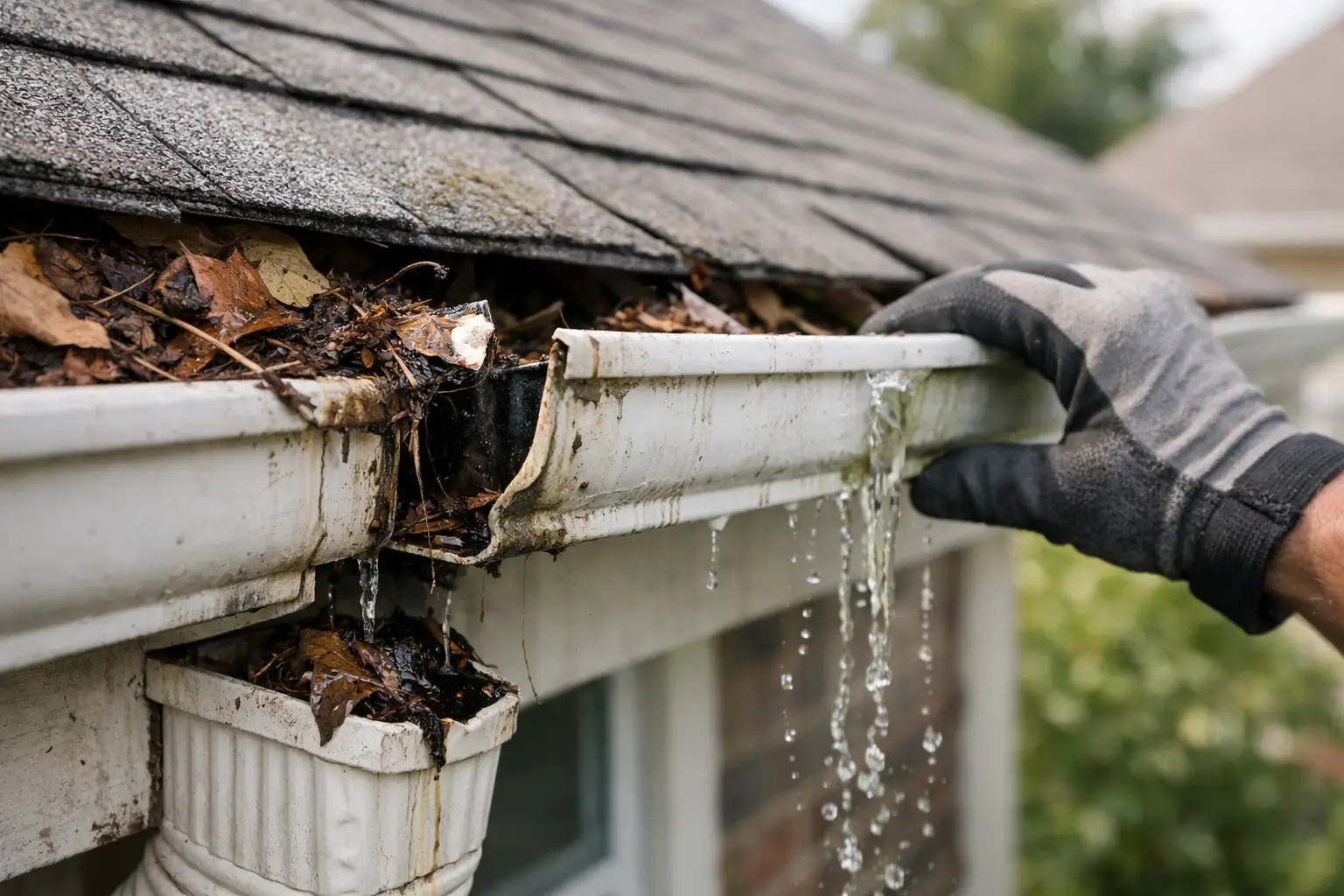
A gutter problem usually shows up during the worst possible weather – a hard Florida rain, water pouring over the edge, and a puddle forming right next to the house. By the time many homeowners notice it, the issue has already moved beyond a simple nuisance. Knowing the top signs gutters need repair can help you catch problems early, avoid bigger damage, and keep water moving where it should.
In Orlando, that matters. Frequent downpours, wind-driven rain, and heavy debris can put a lot of strain on a gutter system. Even a small leak or loose section can turn into fascia damage, soil erosion, wood rot, or water collecting too close to the foundation. The good news is that most warning signs are visible if you know what to look for.
Top signs gutters need repair before damage spreads
Some gutter issues are obvious. Others are easy to ignore until the repair gets more expensive. If you see one of these signs, it is worth taking a closer look.
Water overflowing during rain
Overflow is one of the clearest signs something is wrong. If water spills over the front edge of the gutter instead of flowing into the downspouts, there is usually a blockage, a pitch problem, or a section that cannot handle water properly anymore.
Leaves and roof grit are common causes, but overflow is not always just a cleaning issue. If the gutter is pulling away from the house, sagging in the middle, or installed with the wrong slope, water will back up and spill out. In Central Florida, where storms can dump a lot of rain quickly, even a minor alignment problem can show up fast.
Sagging or detached gutter sections
Gutters should sit securely against the roofline with a clean, even profile. If you notice sections dipping, bowing, or pulling away from the fascia, repairs should not wait long.
Sagging often means the fasteners have loosened, the fascia has started to soften from moisture, or debris and standing water have added too much weight. A detached section is more than an appearance issue. It changes how water flows and can let runoff spill directly against siding, windows, entryways, and planting beds.
Visible cracks, holes, or split seams
Small cracks have a way of becoming bigger ones. You may first notice them as a slow drip after a storm or a stain on the outside of the gutter. Over time, those openings let water escape in the wrong places and can damage the boards behind the system.
Seams are especially vulnerable on older sectional gutters because each joint creates another possible leak point. That is one reason many homeowners prefer seamless K-gutter systems for replacement work. Fewer joints generally mean fewer places for water to get out.
Peeling paint, rust, or orange streaks
Paint failure around the gutters is often a moisture warning. If the gutter exterior is peeling, flaking, or showing rust spots, water may be sitting in the channel too long or escaping through a leak.
Rust on a steel component can spread. Staining on the outside of the gutter can also point to overflowing or poor drainage at the seams. Aluminum gutters do not rust the same way steel does, but they can still corrode, pit, or show finish breakdown when water exposure becomes constant.
Water marks on fascia or soffit
The gutter does one main job – it catches roof runoff and moves it away from the house. When water marks show up on the fascia or soffit, that job is not being done correctly.
These stains often mean water is backing up under the roof edge, splashing repeatedly in one area, or leaking behind the gutter. If ignored, that moisture can affect wood trim, paint, and even attic ventilation components near the soffit line.
Signs gutters need repair around the ground level
You do not have to get on a ladder to spot gutter trouble. In many cases, the strongest clues are down below.
Pooling water near the foundation
After a storm, walk around the house. If you see standing water near the base of the walls, especially below a downspout or low gutter run, the system may not be draining correctly.
Sometimes the fix is as simple as a downspout adjustment or clearing a clog. Other times, the gutter itself is undersized, mispitched, or leaking before water ever reaches the outlet. What matters is not just where the water starts, but where it ends up. Water collecting near the home is never a good sign.
Washed-out mulch or eroded soil
Heavy runoff leaves a trail. If mulch is displaced, flower beds are gouged out, or bare channels are forming in the soil, water is likely pouring off the roof edge or dumping too hard in one concentrated area.
This is common when gutters overflow or when downspouts discharge too close to the house. It may look like a landscaping problem at first, but the source is often overhead.
Mildew or staining on siding
When gutters leak or spill over regularly, siding can stay wet longer than it should. That repeated moisture can leave dark streaks, algae growth, or mildew along the wall.
Florida humidity already gives exterior surfaces enough to deal with. If certain areas of siding are showing more discoloration than the rest of the house, it is worth checking the gutter line above them.
Problems that show up after storms or seasonal buildup
Not every gutter issue means a full replacement is needed. But storm-related damage should be checked early, because loose parts tend to get worse with each rainfall.
Loose fasteners or downspouts
A gutter system works as one connected path. If spikes, brackets, straps, or elbows come loose, the whole system can lose stability. You may hear rattling during wind, notice a downspout shifting, or see a piece no longer sitting flush against the wall.
This is a repair issue that can escalate quickly. One loose connection can strain the next one, especially during repeated summer storms.
Clogs that keep coming back
A one-time clog is maintenance. A recurring clog can point to a bigger problem. If the same section fills up with debris again and again, the gutter may have poor slope, a dent that traps material, or a downspout that is not clearing fully.
Trees near the roofline also change the equation. In some homes, regular cleaning is enough. In others, adding leaf protection makes more sense because it reduces repeat buildup and lowers the chance of overflow between cleanings.
Dents, bends, or crushed areas
Branches, ladders, and storm debris can dent gutter sections more than homeowners realize. A minor dent may only affect appearance, but a deeper bend can interrupt water flow and create a spot where debris collects.
The trade-off here is simple. Cosmetic damage might not need urgent correction, but anything that changes pitch or traps water usually does. If a section no longer drains cleanly, it is not just a dent anymore.
When a repair is enough and when it may not be
Some gutter problems can be solved with targeted repairs. Refastening a loose run, resealing a leaking joint, adjusting a downspout, or replacing a damaged section can restore proper performance if the rest of the system is still in good shape.
But it depends on age, material, and how widespread the issues are. If multiple sections are leaking, the fascia is compromised, and the pitch is off in more than one area, patching everything may only buy limited time. Older sectional systems with repeated seam failures often cost more to keep fixing than homeowners expect.
That is where a professional inspection helps. A good service company should tell you plainly whether the problem calls for a repair, cleaning, adjustment, or replacement. At Precision K-Gutters, that kind of direct recommendation is the standard because homeowners need a real answer, not guesswork.
What to do if you notice these signs
If you see any of these warning signs, the best next step is to have the system checked before the next heavy rain. Waiting rarely improves the situation. A small leak can become rotted wood. A sagging bracket can become a detached run. Overflow in one storm can become recurring water damage through an entire season.
Take a look after rainfall, not just on a dry day. Watch where the water goes, how the gutters hold up under flow, and whether the downspouts carry runoff away from the house. Those real-world observations tell you more than appearance alone.
A gutter system does not need to be perfect to do its job well, but it does need to stay secure, clear, and properly aligned. If something looks off, it probably is. Catching it early is one of the simplest ways to protect your roofline, siding, and foundation before a small repair turns into a much larger one.