
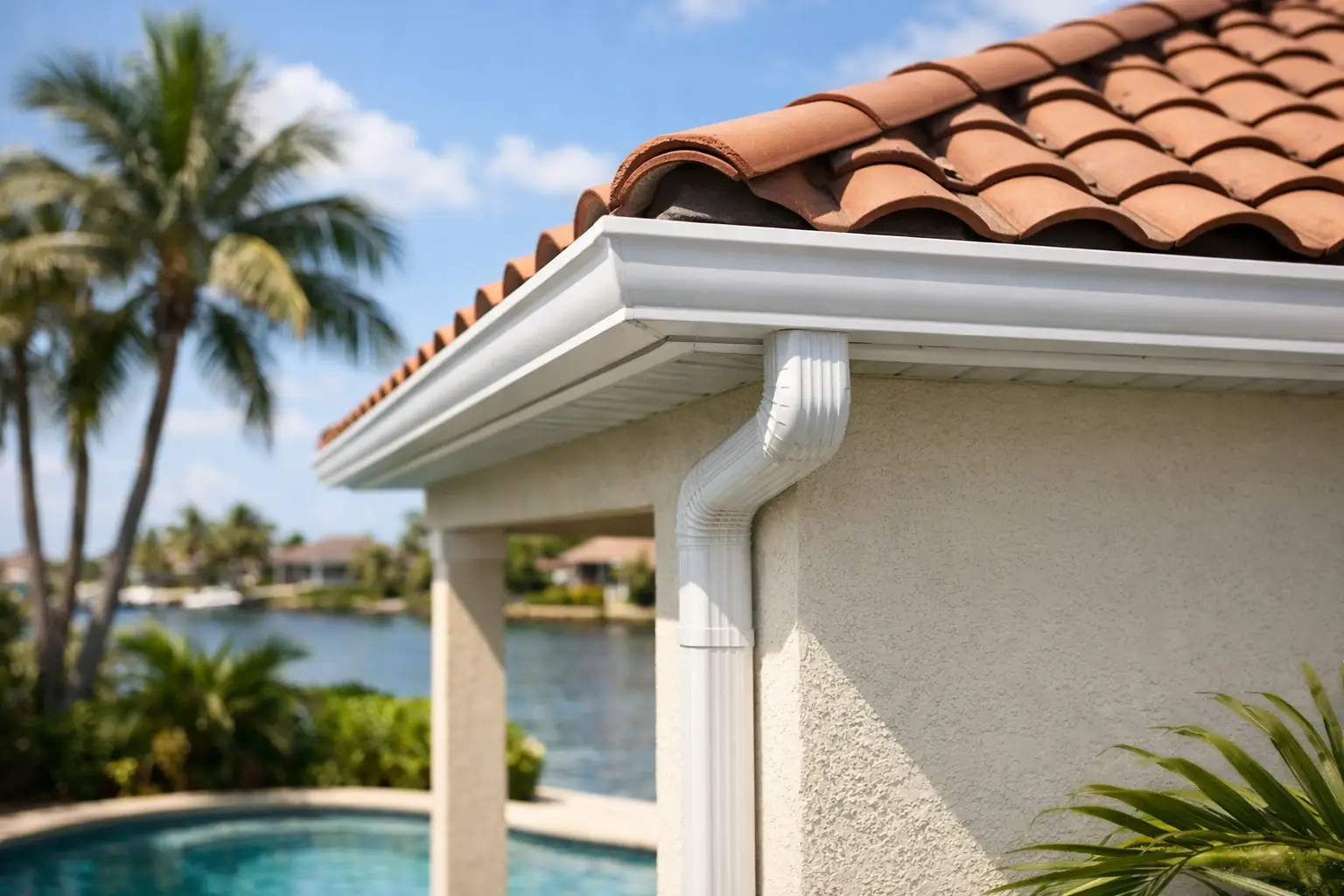
If your gutters overflow every time Orlando gets a hard afternoon storm, you do not need more theory. You need a system that moves water away from the house without leaking at every joint or clogging up after a few weeks of debris. This seamless gutter system review looks at what these systems actually do well, where they can fall short, and whether they make sense for Florida homes.
For most homeowners, the appeal is simple. A seamless gutter system is custom formed to the house, which means fewer joints, a cleaner look, and fewer common leak points. That does not make it maintenance-free, and it does not mean every home needs the same setup. But when installed correctly, it solves a lot of the problems that show up with older sectional gutters.
What a seamless gutter system really changes
The biggest difference is not just appearance. Traditional sectional gutters are pieced together in shorter lengths, and every connection creates another place where water can escape or debris can catch. Over time, those seams can separate, drip, and trap buildup that slows drainage.
A seamless system reduces those trouble spots by using longer continuous runs cut to fit the home on site. There are still joints at corners and downspout connections, but there are far fewer of them. In real-world use, that usually means better flow during heavy rain and fewer recurring leak repairs.
For Florida properties, that matters. Fast, intense rain exposes weak spots quickly. Gutters that are slightly misaligned or full of debris can overflow in minutes, and that water tends to end up where you do not want it – around fascia boards, soffits, entryways, and the foundation line.
Seamless gutter system review: the biggest pros
The strongest argument for seamless gutters is reliability. Fewer seams usually mean fewer leaks. That sounds obvious, but it has practical value when you are trying to prevent water stains, wood rot, washed-out landscaping, or puddling near the slab.
They also tend to look better on the house. Because the runs are custom measured, the lines are cleaner and less patchwork. That is not just about curb appeal. A system that is properly sized and pitched is easier to maintain and more likely to drain correctly.
Another clear advantage is fit. Seamless gutters are made for the exact dimensions of the home rather than pieced together from stock lengths. That helps reduce loose connections and awkward sections that collect standing water.
For homeowners who are tired of repeated minor repairs, this is often where the value shows up. Instead of resealing seams every so often, you are starting with a design that has fewer built-in failure points.
Where seamless systems can disappoint
A fair seamless gutter system review has to include the trade-offs. The first is cost. Seamless gutters usually cost more upfront than sectional systems because they require custom fabrication and professional installation. If you are comparing invoices only, the lower-price sectional option can look tempting.
The second is that fewer seams does not mean no maintenance. Leaves, grit, shingle granules, and roof runoff still collect in the trough. If the gutters are neglected, they can clog and overflow just like any other system. In tree-heavy areas, gutter cleaning still matters, and leaf guard options may be worth discussing.
Repairs can also be a little different. With sectional gutters, one damaged piece might be swapped out more easily. With a seamless run, the fix depends on where the damage is and how severe it is. Small issues can often be repaired, but major dents, pulling, or badly pitched sections may call for partial replacement.
That is why installation quality matters as much as the product itself. A poorly installed seamless system can still sag, back-pitch, leak at corners, or dump water too close to the house.
How they perform in Central Florida weather
Florida is not a gentle test for gutters. Sudden downpours, wind-driven rain, heat, humidity, and organic debris all put pressure on the system. In this environment, a custom-fit gutter system generally performs better than a basic sectional setup because it is built to manage volume with fewer weak spots.
The key word is generally. Performance still depends on gutter size, downspout placement, slope, and whether the existing drainage path makes sense. A home with long roof lines and limited downspouts may still struggle, even with new gutters, if the water does not have enough outlets.
This is one reason local experience matters. Homes in Orlando and surrounding areas often deal with intense roof runoff in a short amount of time. The right system is not just about installing gutters. It is about matching the setup to the house so water gets off the roof and away from the structure efficiently.
What homeowners should look at before buying
If you are comparing options, focus less on generic claims and more on how the system will function on your property. Ask how the installer plans to handle pitch, corner connections, downspout placement, and discharge location. Those details affect whether the system protects the home or simply moves the problem a few feet over.
Material matters too. Aluminum is common for residential seamless gutters because it is cost-effective, lightweight, and resistant to rust. For many homes, it offers the right balance of performance and value. There are higher-end materials available, but not every house needs them.
You should also look at the fascia condition before installation. Gutters are only as stable as the surface they are mounted to. If the wood behind the existing gutters is soft or damaged, that issue should be addressed first. Otherwise, even a new system may not stay secure.
Is the higher cost worth it?
For many homeowners, yes – especially if the current gutters leak at multiple seams, pull away from the house, or struggle during normal storms. The upfront price is higher, but the long-term value comes from fewer problem spots, less patchwork repair, and better water control.
That said, it depends on the condition of the home and your plans for the property. If you are dealing with one damaged section on an otherwise functional system, a targeted repair may be more practical than full replacement. If the gutters are older, mismatched, or failing in several areas, replacement starts to make more sense.
Property managers often see this clearly. Repeated service calls for clogs, leaks, and overflow add up. A cleaner, more dependable system can reduce maintenance headaches and protect siding, trim, and landscaping from ongoing water issues.
Installation quality matters more than sales language
The best gutter system on paper can underperform if it is rushed or installed without attention to detail. Bracket spacing, pitch, outlet placement, and downspout routing all affect how the system handles real storms. Clean workmanship matters too. A professional install should not leave behind metal scraps, damaged landscaping, or unanswered questions.
This is where a service-focused contractor stands apart. Homeowners usually do not want a hard sell. They want a clear recommendation, an honest assessment of what needs repair versus replacement, and work that is done cleanly and on schedule.
That practical approach is especially helpful when a home needs more than one fix. Sometimes the right answer is not just new gutters. It may also include downspout adjustments, guard installation, or cleaning out areas that are already restricting flow.
Our take on seamless gutters
As a general rule, seamless K-gutter systems are a strong option for residential homes in Central Florida. They offer better leak resistance than sectional systems, they look cleaner, and they do a better job of handling frequent heavy rain when properly installed. For homeowners who want fewer weak points and more dependable drainage, they are usually a smart upgrade.
They are not magic. They still need maintenance, and they are only as good as the design and installation behind them. But if your current system is showing its age, a custom-fit replacement is often money better spent than continuing to patch recurring problems.
For Orlando-area homeowners, this is less about buying a premium add-on and more about protecting the house from predictable water damage. Precision K-Gutters sees that firsthand on homes where poor drainage has already started affecting fascia, soffits, or the area around the foundation.
A good gutter system should not call attention to itself. It should simply work every time it rains, move water where it needs to go, and let you worry about something else.