
One hard Florida rain is usually enough to expose a weak gutter setup. If water is spilling over the sides, pooling near the foundation, or running behind the gutter line, the question of gutter guards vs screen covers stops being theoretical. It becomes a home protection issue.
For Orlando-area homeowners, this choice matters because gutters here do not just deal with a few dry leaves in the fall. They deal with fast-moving rain, roof grit, seed pods, oak leaves, pine needles, and regular debris buildup that can turn a small clog into an overflow problem quickly. The right cover can cut down on cleanings and help water move where it should. The wrong one can create more maintenance than expected.
Gutter guards vs screen covers: what is the difference?
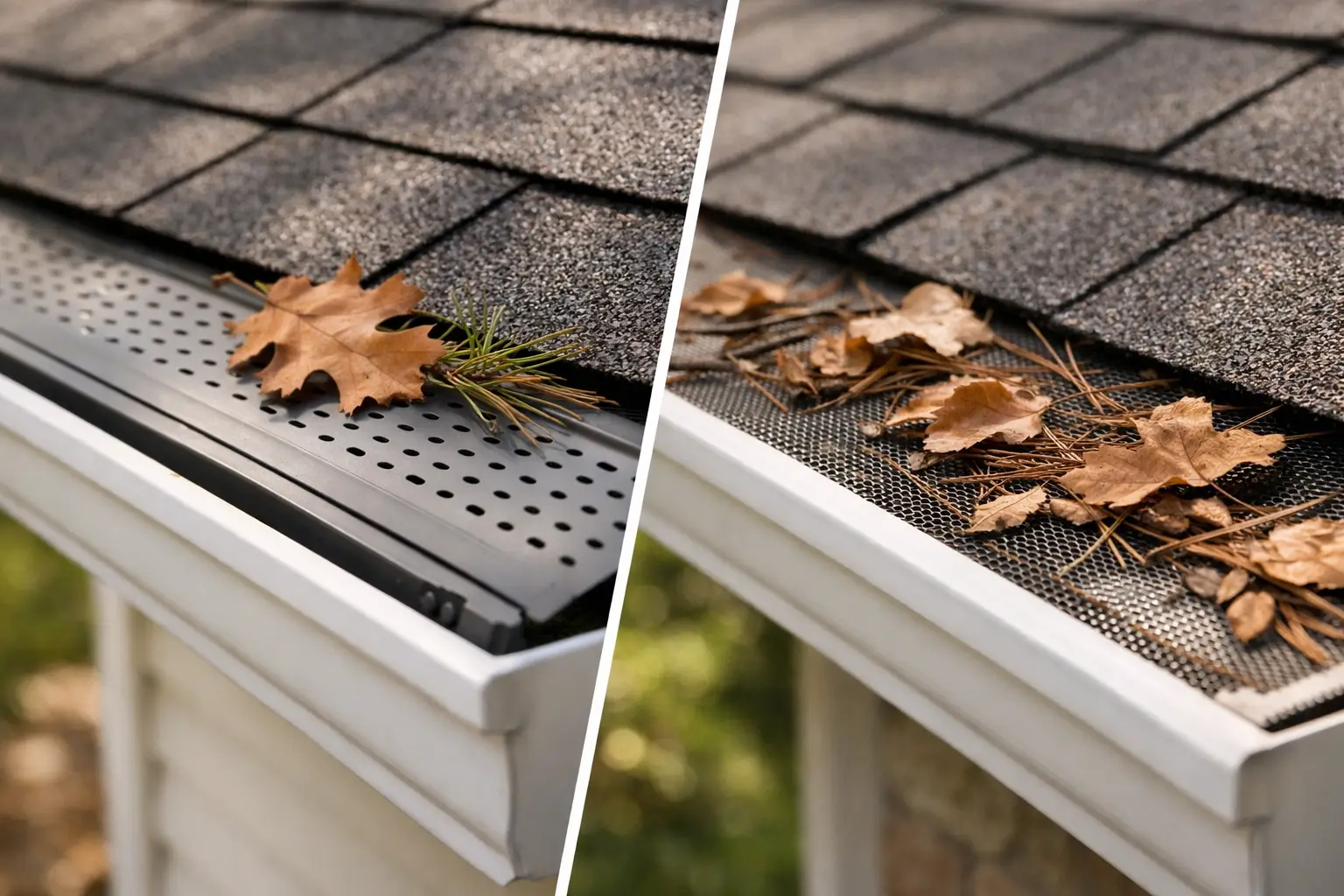
Homeowners often use these terms interchangeably, but they are not always the same thing. Screen covers are usually a more basic gutter protection product with a screened surface that sits over the gutter opening. They are designed to keep out larger debris while letting water pass through the holes or mesh.
Gutter guards is a broader term. It can include screen-style covers, micro-mesh systems, reverse-curve designs, perforated metal covers, and other products meant to reduce clogs. So when comparing gutter guards vs screen covers, the real question is usually whether a simple screen is enough or whether a more advanced guard system makes better sense for the property.
That distinction matters because not every home has the same roofline, tree coverage, rain exposure, or maintenance needs. A one-story home with light debris may do well with a simpler option. A property under heavy tree cover or one that sees repeated overflow issues may need something stronger and more refined.
How screen covers perform on Florida homes
Screen covers appeal to many homeowners because they are straightforward. They are often more budget-friendly up front, and they can block larger leaves and debris from dropping directly into the gutter channel. If your main issue is broad leaf buildup and you stay fairly consistent with maintenance, a screen cover may improve performance without a major system upgrade.
The trade-off is in the openings. Standard screens can still allow smaller debris through, especially roof granules, shingle grit, small seed pods, and pine needles. Over time, that material can collect inside the gutter and around downspout openings. When that happens, the system may still need regular cleaning, even though the top looks protected.
Heavy rain can also be a factor. Some lower-grade screens struggle when water hits the roof fast and hard. Instead of channeling cleanly into the gutter, runoff can skim over the screen or back up around clogged sections. In Central Florida, where storms can move in quickly, that is not a small detail.
How full gutter guard systems compare
More advanced gutter guards are generally built to manage a wider range of debris while improving water flow. Micro-mesh systems, for example, use a much finer filtering surface that can block smaller particles before they enter the gutter. Higher-quality metal guards also tend to hold up better over time than thin plastic products, especially in heat and sun.
For homes with heavier debris exposure, these systems often reduce cleaning frequency more effectively than basic screens. They can also help maintain better flow at the downspouts because less material is getting into the trough in the first place.
That said, more protection usually means a higher initial cost. It also means installation quality matters more. A guard that is poorly pitched, loosely attached, or mismatched to the gutter system can create its own problems. Water may overshoot the opening, debris may collect on top, or sections may pull loose over time.
This is why product type is only part of the decision. Fit, installation, and the condition of the existing gutters matter just as much.
Which option needs less maintenance?
Neither option makes gutter maintenance disappear completely. That is one of the most common misunderstandings homeowners run into.
Screen covers usually reduce large debris buildup inside the gutter, but they often need more attention on top of the screen itself. Leaves can mat across the openings, and small debris can still work its way through. If the system already has standing water, sagging sections, or downspout issues, a screen will not solve the root problem.
A better gutter guard system can lower maintenance more meaningfully, especially on properties with recurring clogs. But even strong guards should be checked periodically. Debris can still accumulate on top, and storm conditions can expose weak spots in older gutters, fascia, or brackets.
For most Orlando homes, the realistic goal is not zero maintenance. It is fewer clogs, better drainage, and less frequent cleaning.
Gutter guards vs screen covers for different property types
A single-family home with moderate tree coverage may not need the most expensive guard on the market. If the gutter system is in good shape and the debris load is manageable, a well-installed screen cover may be enough to improve day-to-day performance.
Rental properties and homes with limited owner oversight often benefit from a stronger solution. If the property manager is trying to reduce service calls, overflow complaints, and emergency cleanouts, a more durable guard system can make upkeep more predictable.
Older homes can be a separate case. If the gutters are pulling away, leaking at seams, or not draining correctly, adding any cover before making repairs can be a mistake. Protection products work best when they are installed on a sound gutter system. If the base system has problems, those need to be addressed first.
What matters most in Orlando
Central Florida weather changes the conversation. Afternoon downpours, tropical systems, high humidity, and year-round debris all put more pressure on gutters than many homeowners expect. A product that performs fine in a milder climate may not hold up the same way here.
That is why water handling matters as much as debris blocking. If a cover keeps leaves out but cannot keep up with heavy runoff, the home is still at risk for overflow, fascia damage, soil washout, and water collecting too close to the foundation.
It also means material quality matters. Low-cost plastic components can become brittle faster in heat and sun. Metal systems, properly fitted to the gutter line, generally provide a more dependable long-term result.
At Precision K-Gutters, that practical approach guides the recommendation. The best option is the one that fits the home, the gutter system, and the maintenance goal without overselling what the product can do.
How to make the right choice
Start with the actual problem you are trying to solve. If you are mostly dealing with occasional leaf buildup and want a simple improvement, screen covers may be a reasonable fit. If you have recurring clogs, smaller debris, heavy tree cover, or repeated overflow during storms, a stronger gutter guard system may be worth the added investment.
Then look at the condition of the existing gutters. If they are leaking, sagging, improperly sloped, or clogged at the downspouts, those issues should come first. Installing covers on a failing gutter system usually hides problems instead of fixing them.
It also helps to think beyond purchase price. A lower-cost screen may save money today but require more frequent cleaning and more attention after storms. A better guard may cost more upfront but cut down on service needs and lower the chance of water-related damage.
The better question to ask
Instead of asking which product is best in general, ask which one is best for your roofline, tree exposure, and drainage pattern. That is where the right answer usually becomes clear.
Some homes need a simple cover and a proper cleaning schedule. Others need repairs, pitch correction, downspout adjustments, and a guard system that can handle Florida rain without constant attention. The right recommendation should be based on how the property actually performs, not just what sounds good in a brochure.
If your gutters are already showing signs of overflow, staining, standing water, or debris backup, this is a good time to address it before the next heavy rain does more than make a mess.