
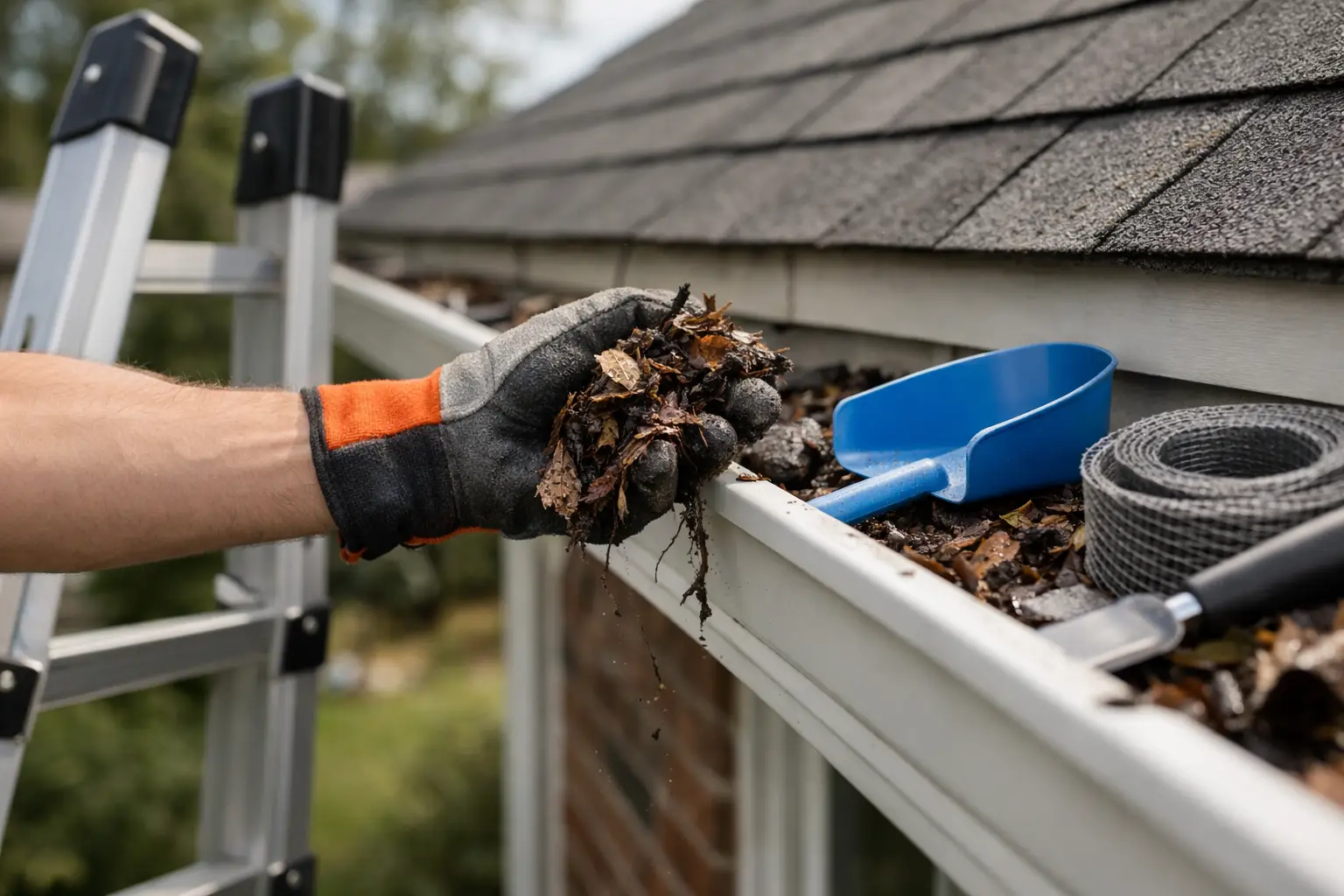
A hard Florida rain can tell you more about your gutters in five minutes than a dry month ever will. If water is spilling over the sides, pooling near the foundation, or running behind the gutter line, it is time to act. This gutter maintenance guide for homeowners is built for that exact moment – and for the routine upkeep that helps you avoid bigger repairs later.
For many homeowners, gutters stay out of sight until there is a visible problem. That is understandable, but it is also where small maintenance issues turn into fascia rot, landscape washout, stained siding, and foundation trouble. In Central Florida, where heavy rain, wind-blown debris, and storm season all put stress on drainage systems, regular gutter care is not just a nice extra. It is part of protecting the home.
Why gutter maintenance matters more than most homeowners think
Gutters have one job: move rainwater away from the house in a controlled way. When they are working properly, they help protect the roofline, soffits, fascia, exterior walls, windows, entryways, and the soil around the foundation. When they clog or pull out of alignment, water starts going where it should not.
The damage is not always dramatic at first. Sometimes it shows up as mulch washing out after every storm or a damp area near one corner of the house. Sometimes you see dark streaks on the gutter face, a drip at a seam, or a section that looks slightly lower than the rest. Those are early warnings, and they are worth taking seriously.
A neglected system can also get heavy fast. Wet leaves, pine needles, roof grit, and standing water add weight. That can cause fasteners to loosen and sections to sag. Once pitch is off, drainage slows down, and clogs become more likely.
A practical gutter maintenance guide for homeowners
The right maintenance plan depends on the home, the roofline, and the amount of nearby tree coverage. A single-story home with limited debris may need less attention than a property under oak branches or near tall pines. Still, most homeowners benefit from a basic schedule built around inspection, cleaning, and repair.
At minimum, gutters should be checked several times a year and especially before and after the heaviest storm periods. In Orlando and nearby areas, that usually means paying closer attention in late spring, during storm season, and again in the fall when debris starts building up.
Cleaning is the first step, but not the only one. Removing debris without checking for loose hangers, leaking joints, or drainage issues leaves part of the problem behind. Good maintenance means looking at the full system, including the downspouts and where the water exits.
What to inspect during a basic gutter check
Start with the obvious signs. Look for leaves, twigs, granules from shingles, and any visible blockage in the trough. Then check whether the gutters appear level from the ground. They should not look wavy, bowed, or separated from the fascia.
Pay attention to connection points and seams. If you see staining, rust, drips, or old sealant pulling away, there may be a leak forming. Downspouts should be firmly attached and should discharge water away from the home, not right at the base of the wall.
It is also smart to inspect after major weather events. A summer storm can shift debris into the system, loosen hardware, or push branches into the gutter line. If something changed after one storm, it usually will not fix itself by the next one.
How often gutters should be cleaned
There is no perfect universal schedule, because tree cover changes everything. Some homes can go longer between cleanings, while others need service more often to stay ahead of recurring buildup.
For many residential properties, two cleanings a year is a workable baseline. Homes with more surrounding trees, frequent roof debris, or past overflow issues may need three or four. If you have already noticed standing water or spillover, waiting for a seasonal schedule may be too long.
This is also where leaf guard systems can help, but they are not a total replacement for maintenance. Guards can reduce the amount of debris entering the gutter, which often means fewer cleanings and less clogging. They still need occasional inspection, and the right product depends on the roof and debris type.
Safety comes first with gutter cleaning
Many homeowners consider cleaning gutters themselves, especially on a one-story home. That can be reasonable in some cases, but the safety side should never be treated casually. Ladder setup, roof slope, wet surfaces, and uneven ground all create risk.
If you are doing a visual inspection from the ground, binoculars or a phone camera with zoom can help you spot problems without climbing. If cleaning requires ladder work near a second story or steep roof sections, professional service is often the better decision. The cost of a cleaning is small compared with the cost of a fall or a repair caused by accidental gutter damage.
There is also a workmanship factor. Gutters can be bent, loosened, or pulled out of pitch if they are handled roughly. A careful cleaning removes debris and checks system performance without creating new problems.
Common signs your gutters need repair, not just cleaning
A lot of drainage problems start with debris, but not all of them end there. If the gutter is leaking at seams, separating at joints, sagging between hangers, or overflowing even after a cleaning, there may be a repair issue behind it.
One common problem is improper pitch. Gutters need a slight slope so water moves toward the downspouts. If a section settles or pulls loose, water can sit in the trough instead of draining. Over time, that standing water adds weight and speeds up wear.
Another issue is downspout performance. A gutter may be clear, but if the downspout is clogged, crushed, undersized, or discharging into a bad location, water still backs up. The result looks like a gutter problem even though the trouble may be lower in the system.
Older sectional gutters also tend to develop leaks at seams over time. That is one reason many homeowners move toward seamless K-gutter systems when replacement becomes the more cost-effective option. Fewer joints usually means fewer potential leak points.
When repair makes sense and when replacement is smarter
Not every gutter problem calls for a full replacement. If the issue is isolated to a loose section, a leaking seam, a damaged downspout, or a minor pitch adjustment, targeted repair can restore performance quickly.
Replacement becomes the stronger option when problems are repeated across multiple sections, when the system is pulling away from the home, or when visible wear is widespread. If you are paying for frequent patchwork and still seeing overflow or leaks, replacement may save money over time.
This is especially true if the current system was not sized or installed well to begin with. Custom-measured seamless gutters offer a cleaner look and can improve long-term water control when they are fitted properly to the home. For homeowners planning to stay in the property, that can be a practical investment rather than an upgrade for appearance alone.
Seasonal considerations for Florida homeowners
Florida homes deal with a different gutter workload than homes in drier regions. Sudden downpours, tropical weather, roof runoff volume, and fast-growing debris all put pressure on the system. A gutter setup that seems fine during light rain may fail quickly in a summer storm.
That is why pre-season inspection matters. Catching a loose downspout, clogged outlet, or sagging section before storm season starts is much easier than dealing with overflow during a week of heavy rain. The same goes for checking drainage around the home after storms. If water is collecting near the slab, porch, or landscaping, the gutter system may need attention even if the clog is not visible from the ground.
Property managers should take this seriously as well. Small drainage issues at one rental home can become siding damage, wood rot, or tenant complaints if they are left alone. Routine service is often the simpler path.
Knowing when to call a professional
Some gutter maintenance is straightforward. Some is not. If there are signs of sagging, persistent leaks, recurring overflow, detached downspouts, or water collecting near the foundation, professional evaluation makes sense.
A good service visit should be direct and practical. The goal is to identify whether the home needs cleaning, repair, guard recommendations, downspout adjustment, or replacement, and to explain that clearly. Homeowners do not need a complicated sales pitch. They need a system that drains correctly and holds up in heavy rain.
For local homes in the Orlando area, that often means looking at the bigger pattern, not just the visible clog. Clean gutters matter, but proper pitch, secure attachment, and good discharge placement matter just as much.
Staying ahead of gutter maintenance is not glamorous, but it is one of the simpler ways to prevent expensive water problems. If your system has been easy to ignore, let the next rainstorm be the reminder to check it before a small issue turns into repair work on the house itself.